Commencing each extensive study about pipeline maintenance solutions demonstrates these fundamental purpose in protecting duct integrity over diverse technical usage.
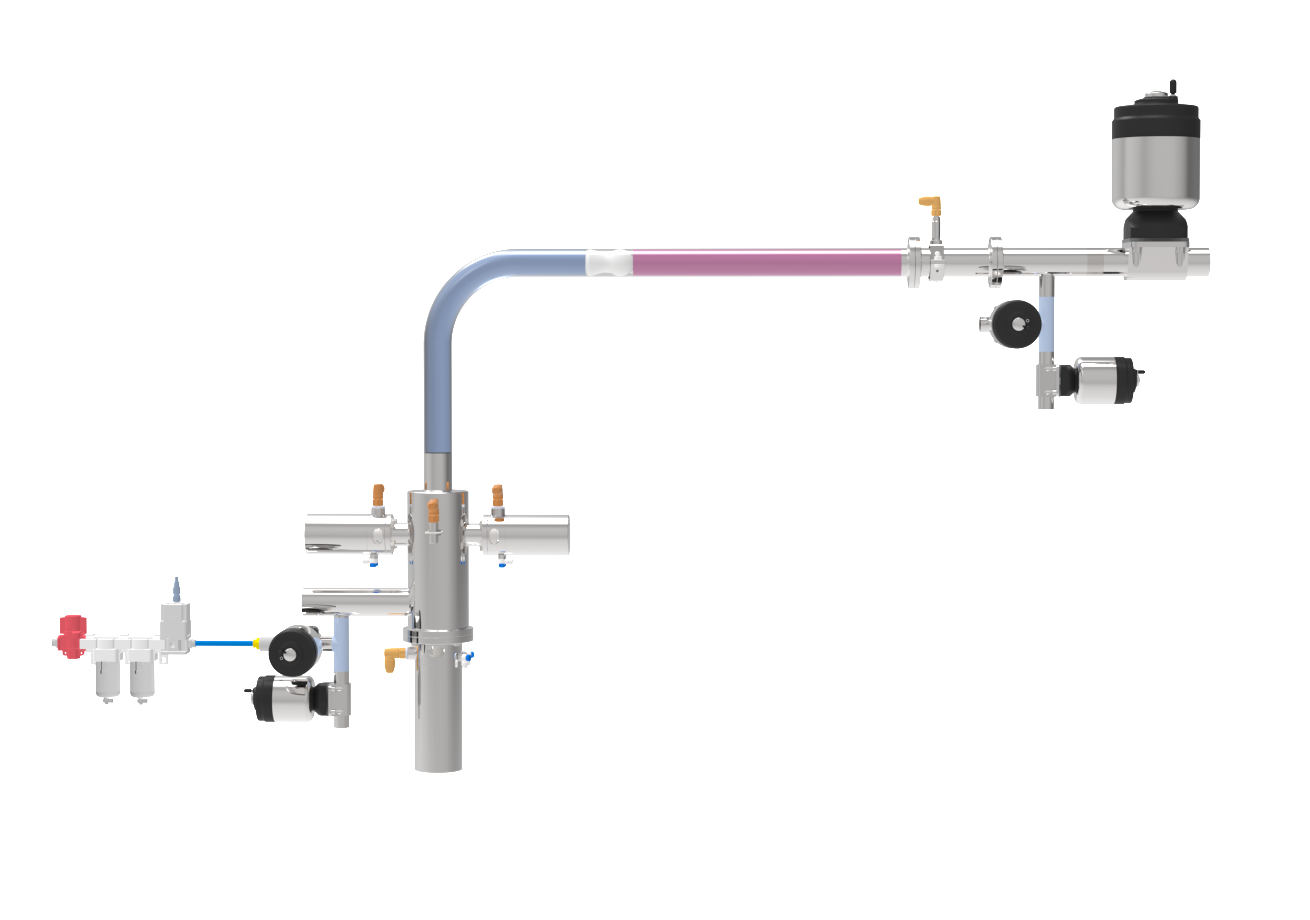
Flowline scraping utilizes advanced equipment designated scrapers that pass through pipelines, propelled by streams, to clear contaminants such as wax. This function maintains circulation efficiency and restrains interruptions.
Improving Pipeline Effectiveness with Pigging Solutions
Securing unaffected conduit functionality is key for reducing breaks and optimizing overall profitability. Pipeline cleaning method yields a powerful strategy to clean blockages such as hydration and residues, which curtail fluid flow. By implementing innovative pigging techniques, experts can substantially increase flowline robustness and lessen maintenance outlays. In addition, this forethoughtful maintenance tactic aids natural stewardship by limiting substance depletion.
Enhancements in Pigging Techniques and Their Own Adaptations
Pigging technology have witnessed remarkable improvements recently, increasing their reach across numerous segments. Initially engineered for line cleaning, pigging currently supplies an array of approaches for health inspection, pressure monitoring, and even buried analysis of infrastructure. New methods embrace intelligent pigging that combines advanced sensors and inputs investigation to offer a more fine appraisal of channel performance. Distinct implementations are apparent in crude and natural gas transportation, urban allocation schemes, and even production control.
- Boosted performance in routines.
- Mitigated support outlays.
- Improved shielding and conservation-minded results.
Electing the Proper Pigging System for Your Tube
Opting for the best pigging procedure for your tube is a vital conclusion influencing reliability and management. Consider multiple considerations prior to settling on your ultimate selection criterion. Initiate by carefully reviewing your line's precise specifications.
- Pipeline manufacture influences implement fitness.
- Usual pressure level and flux dictate tool design.
- Detection of scale, oil, or other debris influences the type of tool needed.
- Capital controls should likewise be appraised. At last, using knowledgeable pipe upkeep specialists ensures customers select the ideal strategy for your individual specifications.
Troubleshooting Common Pigging Complications
Rectifying common conduit cleaning hindrances commonly entails a procedural method. Primarily, authenticate that the cleaning device is accurately measured for the pipeline. Besides, scrutinize the feed point and receiver for any clogs. A ordinary setback is pigging wear caused by overly high tension; so ensure that running criteria persist within defined levels. Finally, consider deterioration on the equipment’s segments, principally the seals, as this may suggest the necessity for renewal.
Pig Technology Techniques
Maximizing fuel supply and rationalizing tasks in the extractive area requires leading-edge line scraping methods. These tailor-made mechanisms consistently dislodge contaminants like sediment from ducts, preserving conveyance and preventing shutdowns. Consequently, pig technology constitute a critical investment for sustainable resource output.
Alleviating Pipeline Preservation Costs with Line Scraping
Competently minimizing pipeline upkeep costs is a essential objective for multiple oil and gas firms. A reliable method for accomplishing this is the application of pigging technology. These technological cleaning instruments, or “pigs,” pass through the pipe, clearing debris, erosion, and other clogs that can decrease flow performance and cause significant repairs. Systematic pigging protocols can efficiently pigging solutions tackle these concerns, increasing the functional term of the tube and avoiding the requirement for comprehensive and intrusive interventions.
- Elevates flow capacity.
- Decreases degradation.
- Increases channel operational term.
Prospect of Pigging Techniques: Movements and Transformation
This pigging realm is set for major developments, fueled by intensifying required for operation and protection in natural resources and energy resources pipelines. Researchers anticipate diverse key movements. Primarily, apparent a transition towards advanced flowline servicing technologies, implementing state-of-the-art measurement devices and information intending to real-time assessment and preemptive upkeep. In addition, unique compositions for instruments, including self-healing composites and layered structures, promise elevated sturdiness and productivity. In conclusion, expanding interest on eco-friendly technologies, including sustainably sourced pigs and decreased leftovers, signals responsibility to environmental accountability within such duct cleaning area.
Pigging Systems: Risk Management and Sustainable Perspectives
Integrating pigging procedures involves significant operational safety and green matters for flowline teams. Proper planning and upkeep are crucial to mitigating potential threats, including fractures and exudation of waste. Frequent auditing of pig condition and pipeline soundness is essential to ensure secure functioning. Moreover, the handling of retrieved materials demands sustainable methods to minimize environmental impact. Leading recommendations often incorporate thorough jeopardy examination and comprehensive preparation for teams.
- Curtailed Duct Injury
- Enhanced Product Harvest
- Mitigated Sustainable Damage