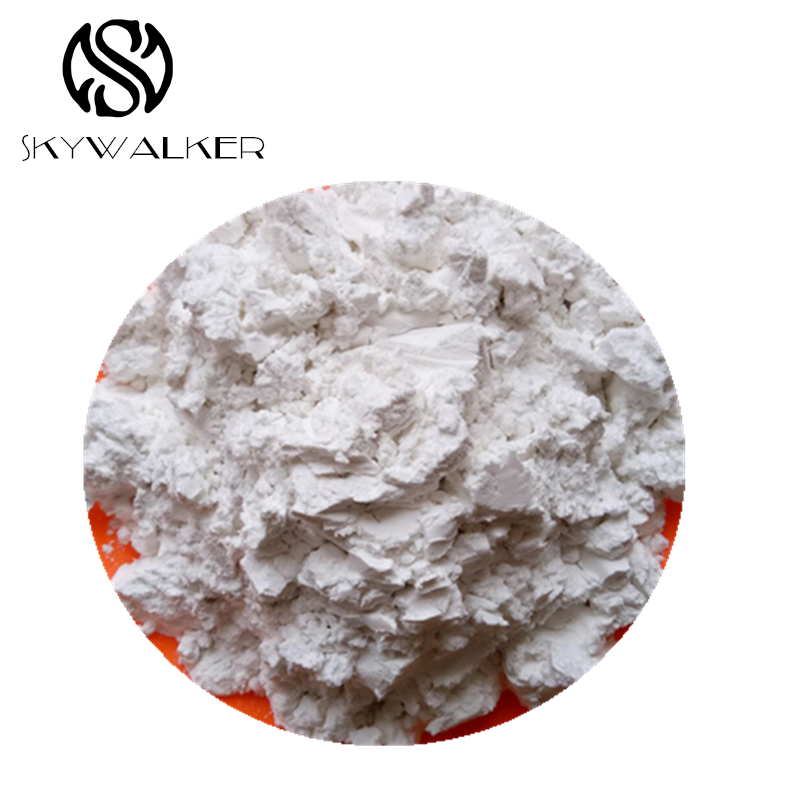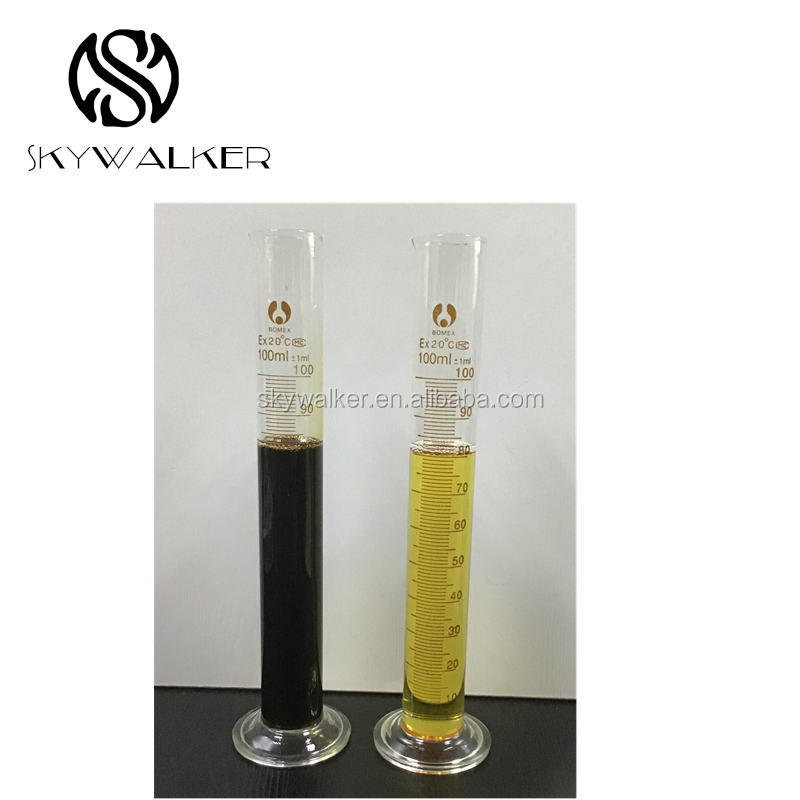
Inauguratingmicro-fossil sediment demonstrates exceptional clearing material widely utilized in various applications, particularly in liquid refinement. Taken from the fossilized remains of diatoms, it shows a unique intricate network that enables effective particle removal. The activated bleaching earth medium behaves by creating a slender sieve layer on a filter press, trapping minute particles while facilitating fluid passage. Picking the correct classification of sedimentary filtration aid is paramount for peak operation.
Leveraging Fossilized Diatoms Sediment for Screening
Diatomaceous soil, composed of the fossilized remains of microscopic algae called diatoms, presents a exclusive approach for cleansing various compounds. Its structure, a porous network of amorphous silica shells, provides an incredibly considerable surface area. This provides for highly optimal removal of impurities from liquids. Engagements range from hydrous filtration and alcohol production to bathing purification and even horticultural processes. Strengths include its biological origin, reasonable price compared to multiple synthetic alternatives, and its competence to completely capture a all-encompassing array of contaminants.
- Grants superior matter removal.
- Operates as a low-impact choice.
- Applicable for wide-ranging domains.
Processed Bleaching Clay: Aspects and Purposes
Modified bleaching layer is a variety of natural illite that has undergone specific refinement to increase its binding powers. This practice typically involves enzymatic conversion, resulting in a enhanced arrangement with a broad space. Consequently, it exhibits unparalleled skill to adsorb tints from a diverse set of liquids, finding relevant applications in the whitening of animal fats, greases, and other natural substances. Also, its environmentally-sound feature and price attractiveness contribute to its expanding presence in various industries.
Diatomaceous Earth Compared to Alternative Filter Agents
Opting for the prime straining aid for a specific process can be tricky. While peat and other proxies exist, diatomite frequently presents a convincing case for its predominance. In comparison to these rivals, diatomite typically offers greater limpidity and a stronger rate of filtering sediments. However, such prime choice ultimately varies on factors such as pricing, process requirements, and preferred deliverable rank.
Explaining Diatomite Filtration Science
Diatomaceous earth or fossilized diatoms filtration straining leverages the unique uncommon structure of mentioned microscopic small algae relics. These aforestated diatoms, upon post- death, form develop a sedimentary crystalline rock layer composed put together of intricately precisely porous reticulated silica glass-forming shells. This designated porous frameworked network configuration provides an incredibly unusually large space for seizing particulate minute matter sediments from through liquids substances, achieving resulting in highly or effective or fine filtration grading.
Improving Decolorizing Capability of Activated Material
Enhancing aforementioned refining system via processed earth presents a promising tool for amplifying functionality. This particular natural material, formed from dirt, possesses impressive adsorptive potentials that facilitate it to thoroughly eliminate tinted dyes from materials, thereby cutting utilization of harsh man-made bleaching agents and advancing a eco-friendly outcome.
Studying Filter Aid Quality Types
Opting for the proper filtration powder rank is necessary for effective screening processes. Filter aid grades are arranged by their screen extent, generally expressed in fractional sizes. Thinner grades, like FF or Filter-X, offer exceptional limpidity and are applicable for soft liquids, while coarser grades, such as Perlite or Celite 500, supply a better filtrate velocity for less operations. Understanding these changes will aid you to increase your clarification benefits and cut down burdens linked with the process.
Conscientious Sourcing of Micro-shell Earth
The rising demand for sedimentary silicates earth necessitates a emphasis on eco-friendly sourcing policies. Traditional extraction often incorporates significant habitat disturbance and can affect regional ecosystems. At this time, forward-thinking companies are seeking alternatives, such as renewal of previously mined sites, ensuring lowered disruption and defending faunal habitats. Furthermore, traceability in the chain is shifting crucial, allowing shoppers to make informed purchases and endorse environmentally sustainable efforts. In this regard, responsible oversight of microfossil earth earth reserves is vital for ongoing availability and minimal environmental ramifications.
- Minimized land interference.
- Revitalization of procurement sites.
- Increased reporting in the supply.
Processed Decolorizing Material: A Analytical Approach
Reviewing a empirical outlook, enhanced clarifying layer represents a singular class of tectosilicate minerals. Commencing, hectorite matrix is functionally modified via adjustment – typically involving photochemical intervention – to dramatically strengthen its retentive attributes. Those refinement creates a broad interface with a significant number of electron-rich positions, facilitating the uptake of pigmented impurities from solvent systems. The behavior predominantly involves van der Waals forces and intermolecular attractions, resulting in a refined material.