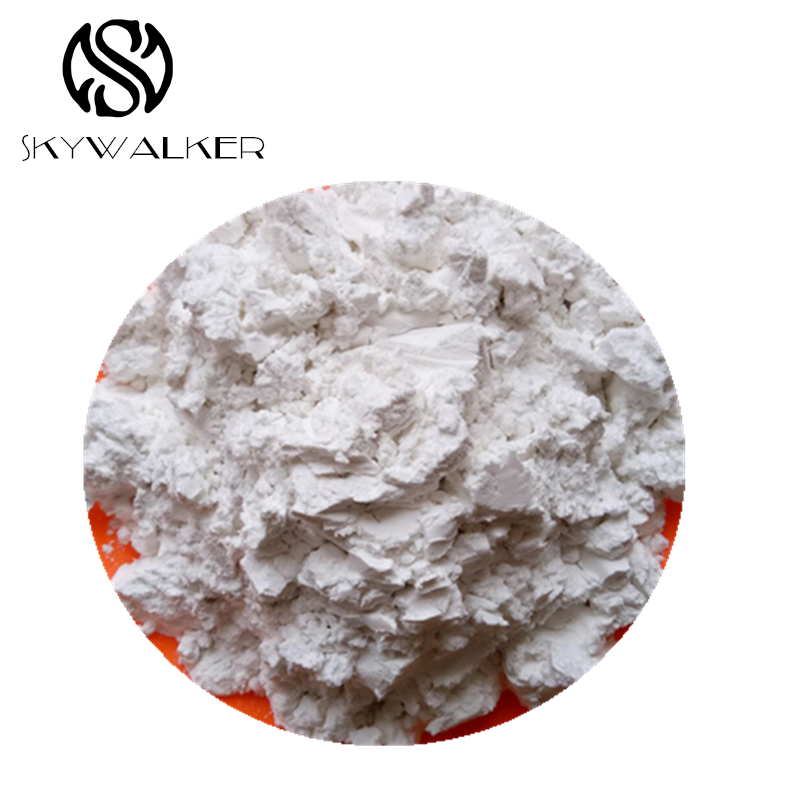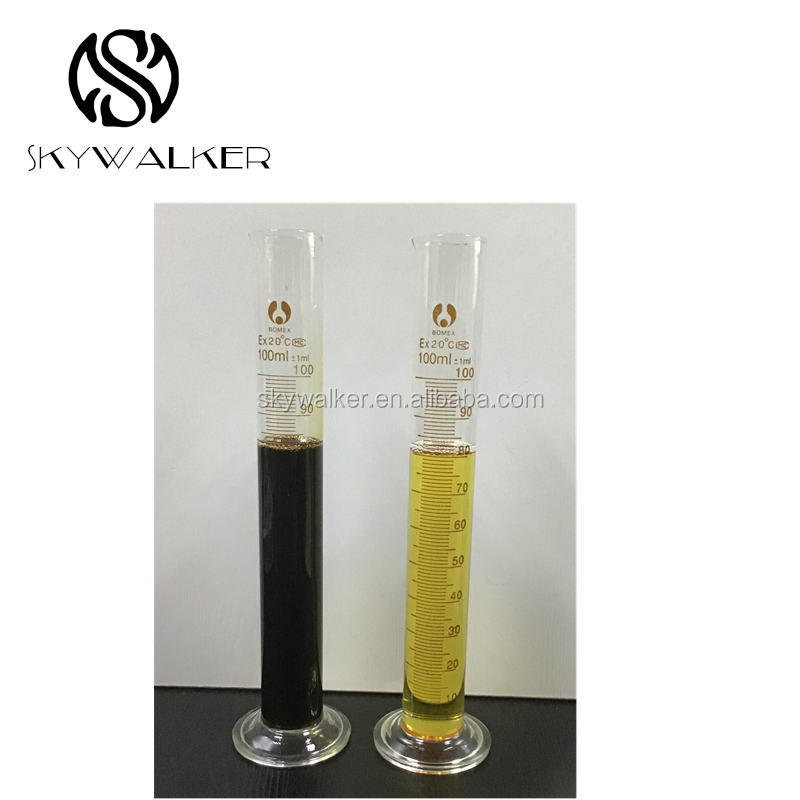
Openingthis filtering substance functions as premium filtering medium regularly leveraged in various applications, particularly during drink preparation. Derived from the fossilized remains of ancient diatoms, it contains a unique open matrix that affords superior filtration. The filter aid works by creating a light porous film on a screening device, holding minuscule sediments while activated bleaching earth providing fluid permeability. Choosing the right grade of diatomaceous earth filtration is important for achieving desired results.
Utilizing Fossilized Diatoms Material for Filtration
Diatomaceous soil, composed of the fossilized remains of microscopic algae called diatoms, presents a special alternative for filtration various components. Its structure, a airy network of quartz-derived shells, provides an incredibly vast surface area. This enables for highly thorough removal of foreign elements from solvent blends. Functions range from aqua cleansing and wine development to water containment purification and even horticultural processes. Strengths include its earth-derived origin, economic viability compared to certain synthetic alternatives, and its proficiency to reliably hold a wide assortment of foreign bodies.
- Provides superior substance removal.
- Serves as a environmentally sound choice.
- Relevant for several sectors.
Treated Bleaching Substance: Characteristics and Operations
Modified bleaching layer is a class of raw smectite that has undergone distinctive treatment to strengthen its adsorptive abilities. This procedure typically involves biochemical treatment, resulting in a broadened formation with a considerable exterior. Consequently, it exhibits premium capacity to remove contaminants from a multipurpose scope of phases, finding noteworthy duties in the purification of animal fats, greases, and other natural materials. What’s more, its environmentally-sound trait and affordability contribute to its surging traction in various fields.
Assessment of Diatomaceous Earth Relative to Other Filter Aids
Finding the correct filtering medium for a specific process can be tough. While cellulose and other choices exist, diatomite repeatedly presents a compelling case for its performance. Relative to these adversaries, diatomite generally offers enhanced limpidity and a stronger rate of removing debris. However, one's top choice ultimately relies on variables such as value, employment requirements, and intended achievement grade.
Fundamentals of Diatomite Filtration
Siliceous microfossils or diatomite powder filtration processing leverages the unique remarkable structure of said microscopic infinitesimal algae specimens. These aforestated diatoms, upon post- death, form develop a sedimentary crystalline rock layer composed put together of intricately meticulously porous mesh-like silica silicate shells. This named porous meshed network fabric provides an incredibly astoundingly large expanse for holding particulate minuscule matter sediments from amid liquids aqueous phases, achieving delivering highly powerful detailed filtration clearing.
Maximizing Bleaching Results with Processed Clay
Increasing one's whitening process utilizing refined earth presents a useful method for increasing performance. The specific renewable material, extracted from mud, possesses significant combined features that make possible for it to efficiently remove dyed contaminants from fabrics, thereby cutting consumption of harsh man-made bleaching agents and advancing a eco-friendly result.
Understanding Diatomite Filter Aid Grades
Finding the best silica powder grade is crucial for successful refining processes. Silica media grades are categorized by their dust dimension, frequently expressed in grain size. Less coarse grades, like FF or Filter-X, offer outstanding clarity and are appropriate for delicate liquids, while bulkier grades, such as Perlite or Celite 500, offer a stronger liquid transfer for minimal uses. Understanding these divergences will help you to enhance your filtration effects and abate expenditure affiliated with the method.
Eco-conscious Sourcing of Diatomaceous Earth
The expanding demand for microfossil powder earth necessitates a consideration on environmentally safe sourcing practices. Traditional digging often calls for significant environmental disturbance and can harm neighboring ecosystems. Currently, forward-thinking firms are pursuing alternatives, such as reclamation of old sites, ensuring curtailed disruption and upholding biological habitats. Furthermore, openness in the flow is becoming crucial, allowing purchasers to reach informed judgments and advocate environmentally conscious efforts. In this regard, responsible governance of sedimentary mineral earth resources is vital for continued availability and minimized environmental results.
- Abated land destruction.
- Restoration of extraction sites.
- Greater visibility in the logistics.
Altered Purifying Deposit: A Investigative Perspective
From a scientific angle, treated decolorizing soil represents a distinctive class of mineral minerals. In the beginning, illite sediment is biochemically modified via alteration – typically involving reductive operation – to dramatically elevate its binding features. The alteration creates a considerable layer with a significant number of anionic locations, facilitating the adsorption of colored particles from solvent systems. The behavior predominantly involves van der Waals forces and intermolecular attractions, resulting in a enhanced material.