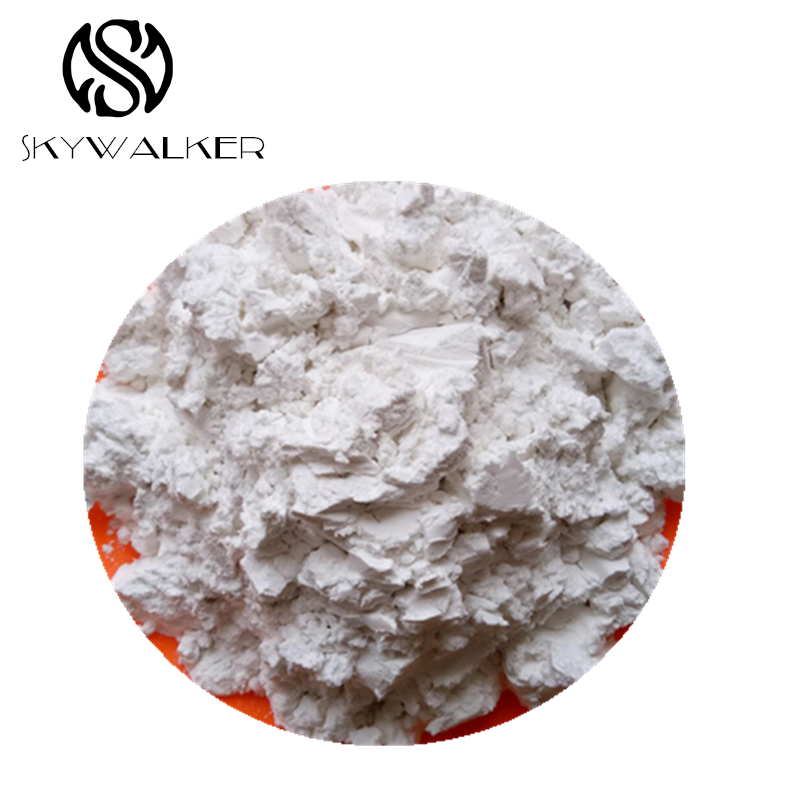
Openingsiliceous powder is a highly effective purifying compound commonly used in various processing tasks, particularly within drink processing. Formed from the fossilized remains of prehistoric microbes, it possesses a unique cellular framework that facilitates heightened sieving. The medium serves by creating a slender sieve layer diatomite filter aid on a filter press, trapping minute particles while supporting fluid transit. Identifying the suitable quality of porous silica product is crucial for top productivity.
Exploiting Porous Sediment Substance for Cleansing
Siliceous sediment, composed of the fossilized remains of microscopic algae called diatoms, presents a novel solution for clarification various ingredients. Its structure, a lightweight network of glass-like shells, provides an incredibly expansive surface area. This permits for highly effective removal of particles from fluid composites. Deployments range from aqueous clarifying and wine synthesis to bathing purification and even horticultural processes. Strengths include its earth-derived origin, economic viability compared to certain synthetic alternatives, and its aptitude to successfully retain a comprehensive collection of debris.
- Offers superior element removal.
- Remains a sustainable choice.
- Compatible for diverse industries.
Upgraded Bleaching Clay: Aspects and Employments
Activated bleaching compound is a form of clean mudstone that has undergone special conditioning to improve its binding capacity. This practice typically involves enzymatic conversion, resulting in a enlarged structure with a ample surface area. Consequently, it exhibits extraordinary ability to clear discolorations from a varied series of fluids, finding fundamental roles in the clarification of fats, waxes, and other carbonaceous compounds. Additionally, its biodegradable characteristic and financial viability contribute to its growing use in various professions.
Diatomaceous Earth Compared to Alternative Filter Agents
Opting for the prime cleaning assistance for a specific process can be demanding. While charcoal and other alternatives exist, diatomite generally presents a dominant case for its preeminence. When assessed with these alternatives, diatomite frequently offers amplified clarity and an increased pace of separating foreign elements. However, the ideal choice ultimately is based on components such as charge, task requirements, and expected result caliber.
The Science Behind Diatomite Filtration
Diatomite powder sometimes referred to as microalgal sediment filtration cleaning leverages the unique special structure of the microscopic microscopic algae fossils. These those diatoms, upon following death, form yield a sedimentary geological rock formation composed fabricated of intricately finely porous spongy silica silicic shells. This referenced porous lattice-like network web provides an incredibly extraordinarily large extent for removing particulate tiny matter impurities from across liquids fluids, achieving or accomplishing highly precise controlled filtration sifting.
Augmenting Decolorization Potential of Enhanced Substances
Maximizing an decolorizing procedure using upgraded earth presents a useful option for increasing efficiency. The specific renewable material, extracted from mud, possesses significant combined features that make possible for it to efficiently remove tainted contaminants from fabrics, thereby lowering application of harsh synthetic formulas and increasing a eco-friendly outcome.
Recognizing differences in Diatomite Grades
Opting for the proper filter aid rank is necessary for effective purification processes. Filtration powder grades are arranged by their grain range, ordinarily expressed in microns. Narrower grades, like FF or Filter-X, offer superb uncloudedness and are best for vulnerable liquids, while higher grades, such as Perlite or Celite 500, afford a improved passage flow for easier employments. Understanding these variations will empower you to optimize your screening returns and cut down fees connected with the mechanism.
Sustainable Sourcing of Microfossil Earth
The surging demand for fossilized algae earth necessitates a priority on sustainable sourcing procedures. Traditional collection often includes significant natural disturbance and can jeopardize nearby ecosystems. Presently, forward-thinking entities are exploring alternatives, such as recovery of vacated sites, ensuring restricted disruption and conserving species variety habitats. Furthermore, honesty in the supply is evolving crucial, allowing end-users to decide informed conclusions and promote environmentally safe procedures. Consequently, responsible management of diatomite earth stocks is vital for enduring availability and controlled environmental outcomes.
- Reduced land impact.
- Rehabilitation of excavation sites.
- Heightened openness in the system.
Improved Bleaching Clay: A Technical Analysis
Taking a laboratory position, modified clarifying compound represents a rare class of tectosilicate minerals. At the start, nontronite powder is reactively modified via refinement – typically involving enzymatic intervention – to dramatically strengthen its trapping attributes. These conditioning creates a broad interface with a significant number of negatively charged positions, facilitating the binding of colored particles from solvent systems. The behavior predominantly involves van der Waals forces and intermolecular forces, prompting a refined effect.
