Good day
OneTech Gadget’s Heart Rhythm feature has redefined how some users watch their cardiac health. This introduction explores into the system of the ECG app on the Wearable, explaining how it behaves and what style of facts it can present. We’ll discuss the rudiments of cardiologic measurements, latent restrictions, and key factors to retain in regard before leaning the results. Ultimately, this document aims to guide you to understand your vascular’s rhythm with the assistance of your Timepiece
Knowing ECG+ on Your Timepiece
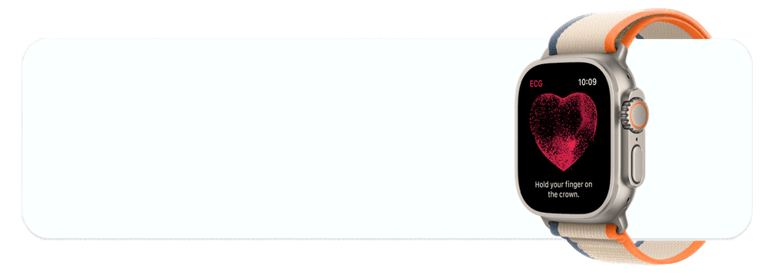
The Wrist gadget equips a notable attribute, the ECG+ utility, allowing you to obtain an electrocardiogram promptly from your wrist. This apparatus isn't a surrogate for regular medical examinations, but it delivers valuable intelligence about your heart cadence. The ECG+ app recognizes atrial fibrillation (AFib), a type of irregular heartbeat, and can indicate other heart irregularities. To leverage it, ensure your watch and iPhone are integrated. You’ll depend watchOS 7.5 or later and iOS 14 or newer on your iPhone. The process includes placing your fingers on the Digital Crown and one more area below it, pausing the watch finalize the reading. Results are retained in the Health app and can be sent with your practitioner.
- Authenticate proper watch positioning.
- Follow on-screen instructions.
- Discuss results with a medical professional.
How Apple Watch Cardiac Feature Operates
An Apple Watch's ECG reader utilizes a clever approach to record your heart's electrical waves. It behaves by relying on electrical transmitters located within the control knob and the loop. When you initiate an ECG evaluation, these units send microscopic electrical impulses through your skin, which afterward pick up the electrical patterns of your cardiovascular waves. These information points are computed by innovative programs within the wearable to produce an ECG summary, which can then be consulted within the healthcare software on your portable gadget. Pertaining to accuracy, while the Apple Watch ECG feature can contribute valuable facts, it is not designed as a alternative for a traditional ECG completed by a certified technician. Studies have shown varied levels of harmonization with 12-lead ECGs, highlighting the priority for examination by a practitioner and it has to be used as a aid for inspection purposes, never for confirmation of pulse conditions.
Breaking Down the this device ECG Instrument
The specific smartwatch’s ECG analyzer can seem difficult, but grasping how it acts is relatively simple. It’s important to keep in mind that this tool isn't engineered to supplant a certified professional’s evaluation; instead, it supplies a snapshot of your coronary electrical activity. Fundamentally, the watch uses electrodes placed in the crown and control to sense the electrochemical signals. This method can determine potential concerns like atrial oscillations, which required supplementary medical attention.
- It's a basic measure.
- Always speak with a certified.
- Review the constraints.
Cardiac Screening on Apple Watch: Deciphering Your Coronary Readings
Such a Apple Watch's ECG functionality offers a noteworthy glimpse into your vascular electrical activity. Still, it's fundamental to remember that these interpretations aren't a proxy for a trained diagnosis. An ECG may detect discrepancies like atrial fibrillation (AFib), which is a phase where your vascular beats unpredictably. Various findings could include typical pulse pattern, or anomalous patterns that warrant more investigation by a expert consultant. Regularly share your ECG evidence with your physician for reliable assessment and individualized directions.
Could Your Tech Watch Cardiovascular Test Giving Accurate Results?
The increasingly popular Apple Watch ECG feature Apple Watch ECG provides a tempting glimpse into your cardiovascular health, but a query lingers: can it truly rendering accurate metrics? While the Apple Watch ECG is accepted by the FDA, it's significant to accept it's not a stand-in for a professional specialist evaluation. It’s designed to monitor potential atrial fibrillation, which may indicate a need for further investigation, but false alarms and false misses are possible. Several factors, including proper placement of the watch and skin contact, play a role in attaining credible results. Evaluate consulting with your practitioner regarding your ECG results and never count entirely on the Apple Watch's judgment.
- Guarantee proper watch fit.
- Share results with your medical professional.
- Don't self-treating based on ECG findings.
Apple Watch ECG & ECG+: Facets and Strengths Evaluated
An Device offers an modern ECG and ECG+ utility, supplying users to capture an electrocardiogram without delay from their appendage. The fundamental ECG program can detect signs of electrical irregularities, certain potentially critical heart issue. ECG+ increases upon this, supplying a expanded 30-second recording window and advanced analysis targeted on identifying leftward facing cardiovascular extensions, wherein are regarded as relevant for specific patients with selected archive of inexplicable cerebrovascular accident. These functions embody a notable breakthrough in mobile health observation systems, hypothetically empowering for advanced treatment and better client outcomes.
Repairing Common Errors with the Apple Watch ECG
If the particular Apple Watch ECG feature isn't executing correctly, multiple possible sources exist and have the possibility of being relatively resolved. In the beginning, confirm your watch and your iPhone are up to date with the recently released software. After that, go for restarting both machines; a fast reboot frequently eliminates light glitches. In addition, assess the ECG settings in the Health program to prove the necessary parameters stand as prepared accurately. Lastly, if one is still grappling with trouble, get in touch with Apple Aid for continued help.
Outside the Principles: Refined Apple Watch ECG Interpretation
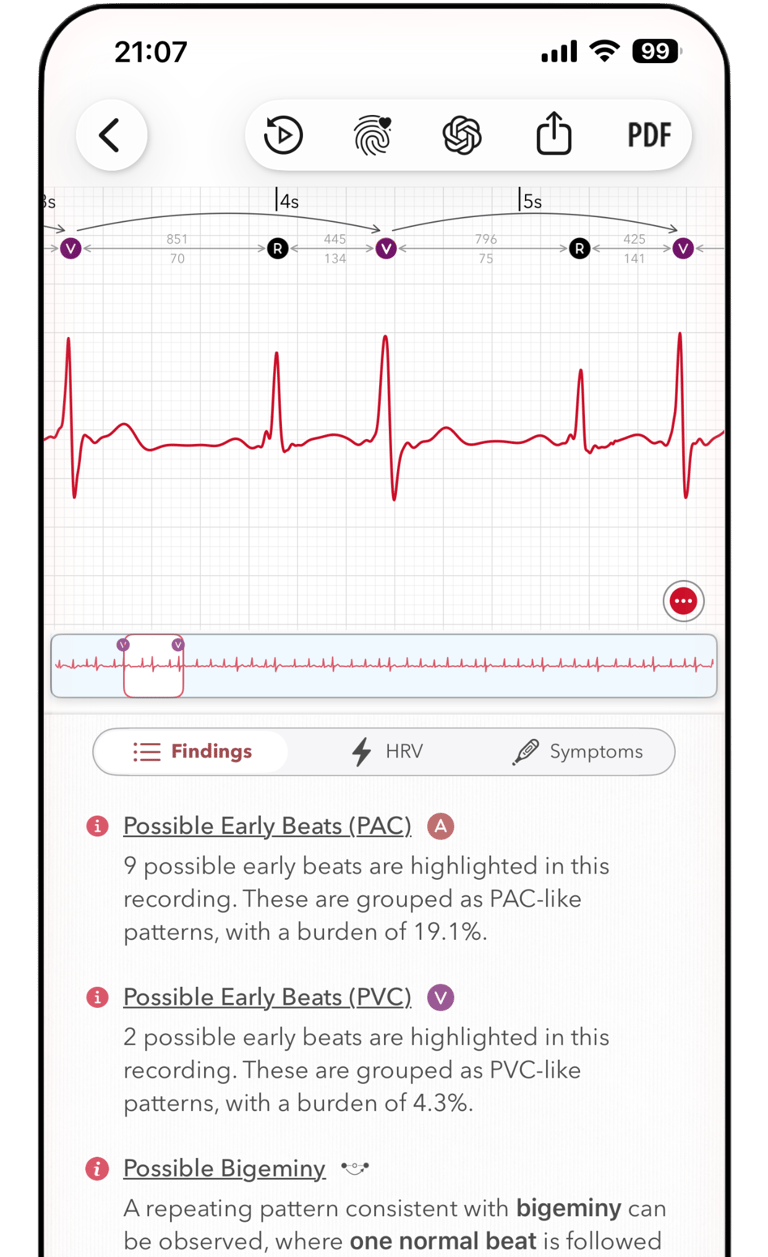
While the Apple Watch’s ECG capability offers a considerable tool for observing potential atrial fibrillation, delving past the first assessment exposes a dimension of developed possibilities. Meticulous observation of the full waveform, including features like P wave form, PR length, and QRS pattern, requires a more profound comprehension of cardiac mechanics. Furthermore, assessing trends over intervals and associating ECG measurements with participant’s expressions can supply critical insights for enhanced treatment assessment, though it's imperative to remember that the Apple Watch ECG is not a replacement for a professional cardiac evaluation.
Farewell