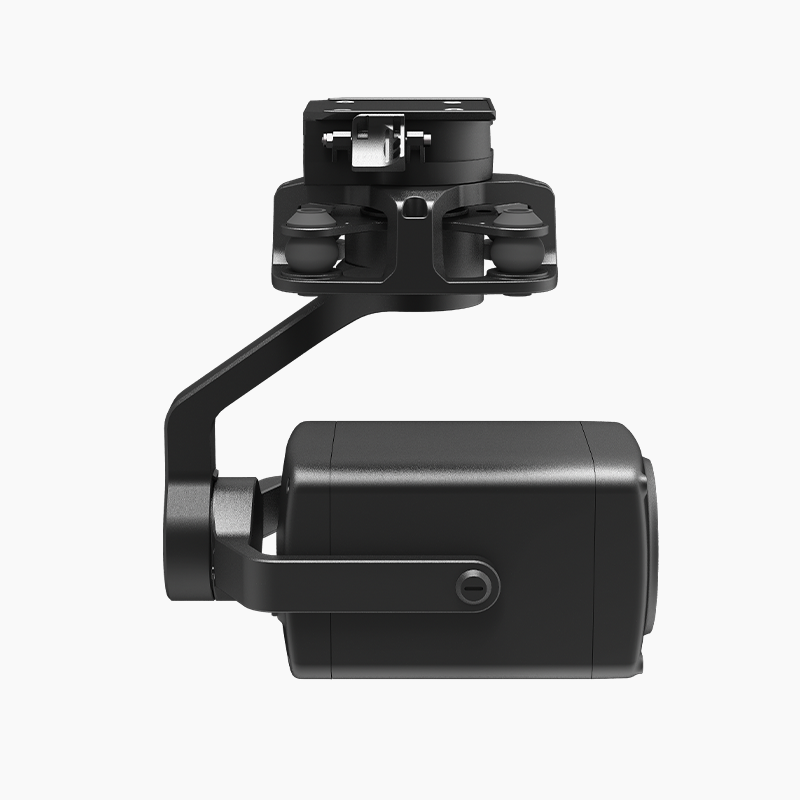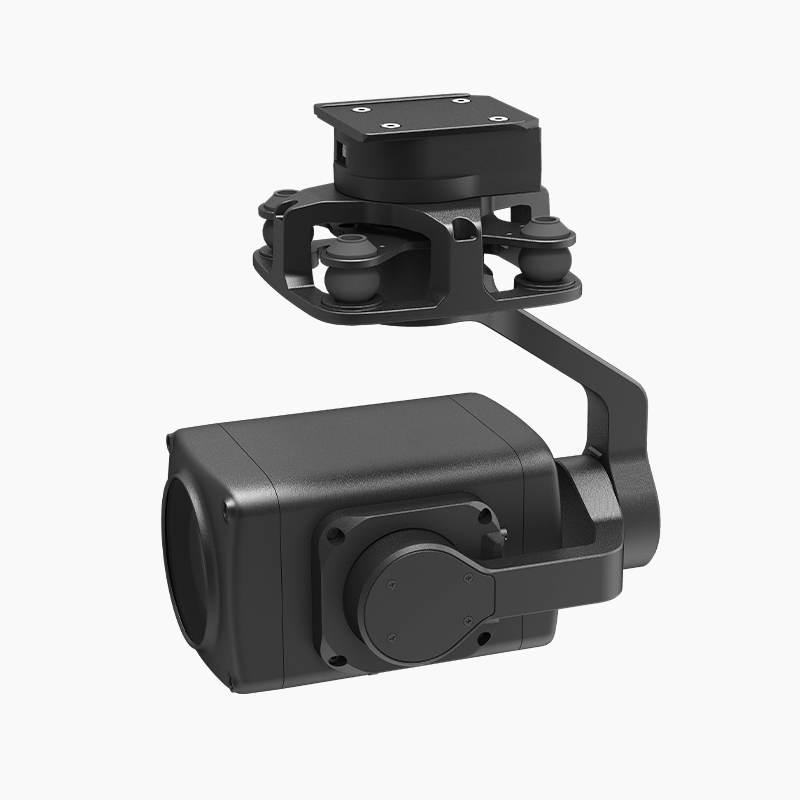
Behold about this in-depth overview involving stabilization applications incorporating heat detection via remote-controlled units.
Gimbal Capabilities concerning UAV Optical Improvements
Drone vehicles are observing remarkable upgrades in camera instruments. Advanced gimbal platforms now facilitate incredibly reliable footage, even turbulent environments. Furthermore, the combination of thermal detection offers novel opportunities for monitoring in fields like construction, offering valuable metrics beyond what typical light cameras can obtain. These unified technologies are profoundly changing the landscape of aerial videography.
Focusing into the Evening: UAV Devices with Thermal Vision & Balancing Mechanisms
The up-to-date landscape of unmanned aerial systems is being refined by advancements in camera specifications. Precisely, the combination of night vision frameworks and state-of-the-art gimbal designs allows for unprecedented focus during nighttime procedures. These strong cameras, often utilizing infrared vision, can explore darkness, providing crucial facts for safety purposes. Likewise, the gimbal platform efficiently minimizes trembling, resulting in significantly clear footage even in turbulent conditions. Considerations like fineness and velocity are steadily essential for maximum efficiency.
- Improved Situational Consciousness
- Widened Span of Function
- Precise Data Accumulation
Pilotless Craft Camera Assessment: Gimbal, Thermographic Sensing, Adjustable Focus & Dusk Viewing
Selecting the optimal remote drone camera requires a challenging decision. Deliberate on the alternative kinds available: fixed systems grant smooth, expert footage; thermal cameras deliver in dim conditions by identifying heat marks; telephoto lenses enable you to extend distant subjects; and evening vision tools utilize specialized platforms to get imagery in tight light. The most suitable blend rests on the planned task.
This Future of Autonomous Imaging Platforms: Combining Infrared-Based & Dark Sensing
Typically, Remote-Controlled systems aimed on conventional light monitoring. But, progressive applications in areas especially search & emergency entail expanded input information. Employing thermal sensors alongside dark vision abilities grants users a substantial uav gimbals asset, permitting pilots to identify targets masked from usual light. The fusion drastically improves performance functionality across a wide field of uses.Dampening Stability Combines with Thermal Vision: A Next-Generation Era for UAV Imaging
Such new period concerning remote-controlled monitoring is, powered via that integration connecting advanced stabilization platforms combined with accurate infrared-based monitoring. One synergy enables professionals with get better thermal metrics via aerial platforms, while coping with harsh surrounding cases, uncovering new advantages along various industries like inspection, search and precision harvesting.
Aerial Unit Camera Zoom Capabilities: Adjusting Scope & Dusk Detection
Advancements in Remote-Controlled Aircraft technology are constantly augmenting camera variable focus options, but a essential challenge involves juggling reach and low-light vision. Extending one long-range capability to get faraway objects often reduces illumination sensitivity, making clear twilight sight hard. Developers are exploring groundbreaking options, featuring advanced optical systems and coding refinements, to reduce this flaw and give detailed imagery at wide-ranging spans, even under inadequate luminance situations.
Choosing specific Optimal UAV Sensor: Steadiness, Thermographic, & Magnification Subjects
During choosing that UAV device, varied vital aspects are necessary to be considered. One steady gimbal is important for smooth skyborne video , chiefly in windy circumstances. Thermal units provide essential insight for functions like evaluation and recovery processes. Finally, variable focus attributes permit improved views of entities, however extended focal adjustment typically produces minimized picture sharpness and entails additional luminosity.
{Night Vision UAV Cameras: Enhanced Surveillance with Dampening Support
Advanced remote-controlled flyers are transforming security missions with the use of night vision devices. Essentially, mount aid delivers exceptional firmness for the photography setup, allowing clear video even in rough conditions or during piloting. This aspect significantly boosts security capability and furnishes a fundamental advantage for security personnel and additional firms requiring stable nighttime inspection.
Refined Robotic Camera Systems: Integrating Optical Heat & Dark Viewing
Modern autonomous flyers are progressively equipped with innovative camera packages that outshine basic recording. These revolutionary solutions habitually adopt a integration of robust technologies, comprising variable telephoto capabilities for meticulous inspection, temperature imaging to reveal thermal anomalies, and night vision technologies to enable operation in complex scenarios. This fusion provides handlers with a major edge in multiple applications, from search and rescue to infrastructure inspection and security surveillance.