Within the sphere of enduring traditions,
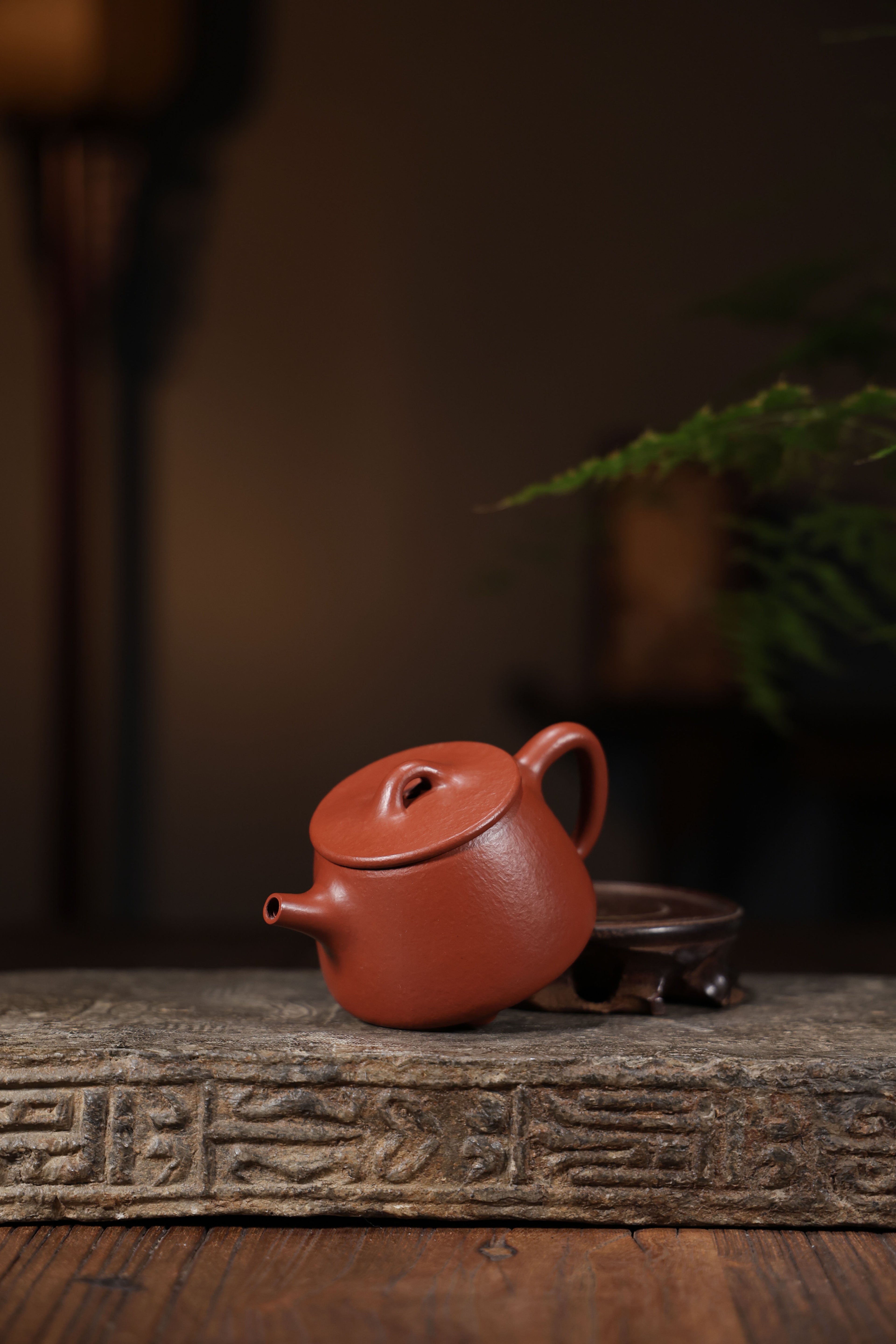
Within centuries, connoisseurs have been enchanted by the one-of-a-kind charm of Yixing Zisha pots. Originating from the zone of Yixing in the Jiangsu Province, these wares are renowned for their notable beauty, infrequent clay, and essential ability to boost the essence of the brew. The soil's distinctive burgundy hue, combined with the adept craftsmanship of local sculptors, creates objects that are both functional productions and cherished holdings. Collecting a Zisha teapot is more than just specific purchase; it's experiencing a rich cultural heritage.
Understanding Yixing Teapots: Chronicles, Classifications, and Importance
This Yixing teapots constitute a fascinating legacy deeply intertwined with Chinese culture. Beginning in the Yixing region of Jiangsu province, these clay vessels carry a heritage reaching back to the Ming Dynasty. Initial examples were functional, but through centuries, Yixing teapot creation evolved into an esteemed art form. The clay itself, known for its unique grain and ability to influence the flavor of the tea, is a defining factor. Yixing teapots materialize in various models, broadly categorized by shape: Timeless such as Zhuni (purple clay) and Bisheng, as well as specialized designs. The importance of Purple Clay Teapot a Yixing teapot turns on several factors, including the potter’s renown, the age of the piece, the rarity of the clay, and its aesthetic quality.- Story: Old ages
- Earth: Bisheng
- Value Factors: Uniqueness
Zisha Teapot Mastery: Art and Artisans
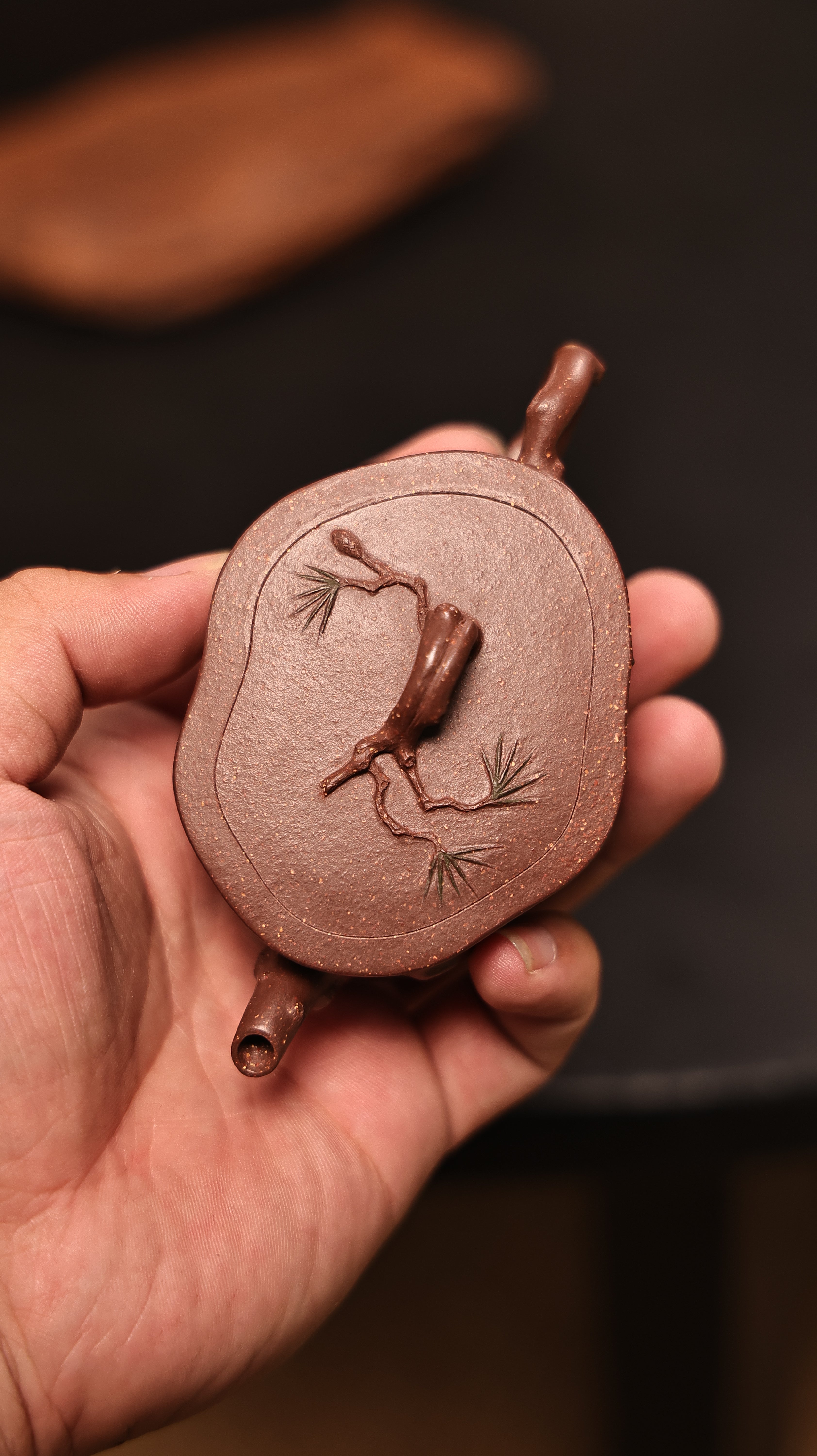
That creation of a true Zisha teapot is a demanding process, requiring decades of knowledge. Accomplished artisans meticulously identify the top-grade Zisha clay, a singular earth found only in specific regions of China. Conventional techniques, often bestowed through families, involve detailed shaping, nuanced carving, and unhurried firing in ancient ovens. The end teapot isn't merely a receptacle; it's a testament to expressive vision and the meaningful connection between the sculptor and their tradition. Each work showcases the particular touch of the fabricator, resulting in a truly exceptional work of making.
A Clayware: Discovering the Broad Traditions of the Yixing Locality
Yixing, positioned in Jiangsu the jurisdiction, is internationally renowned for its exceptional containers – a tangible representation of centuries of Chinese craft. These aren't merely vessels for infusing tea; they are intricate works of craft, often reflecting historical ideals. That unique purple clay, known as Zisha, possesses uncommon qualities: it is dense, absorbent, and imparts a subtle tone to the tea.
- Several households have honed the techniques of Yixing container making, passing down traditional methods through lineages.
- Admirers prize these pieces for their charm and scarcity.
- Several jar tells a anecdote, connecting the user to a rich heritage.
Considering Yixing Zisha: Vital Indicators
When looking into buying Yixing Zisha ceramics, diverse points involve careful attention. Initially, the soil's shade is noteworthy; authentic Zisha habitually exhibits a unique earthy tinge. As well, assess the workmanship; sharp elements and a silky covering show adept craft. Eventually, analyze the fabricator's profile; distinguished names earn enhanced rates and often afford a stronger yield.
How to Brew Premium Tea with Zisha Clay
Creating sumptuous tea with a Zisha urn is more above a simple method; it's an craft. Zisha clay, renowned for its unique chemical composition, imparts a soft character to the composed tea that’s often gone with other containers. The right water thermal condition is imperative; typically, less intense than what's used for black tea, to retain the tea's aroma and zest. Consider mindfully the tea sort; delicate green teas or aged pu-erhs thrive from the Zisha’s ability to reduce their primitive edge. It’s vital to warm the teapot leading up to brewing, and to eschew over-steeping. Mastering this practice leads to a truly exceptional tea instance.
- Knowing Zisha Clay
- Liquid Heat & Tea Classification
- Benefit of Warming
Safeguarding Your The Kettle
With the aim of guarantee the persistence of your valuable Yixing teapot, habitual attention is decisively crucial. Never using abrasives; instead, delicately purify it with lukewarm hydrous medium. Refrain from immediate changes; refrain lay the urn directly onto a scorching support. Periodically, prepare the container by immersing it with choice aged drink, as this contributes to build its character and maintains the inherent merits of the substance.
Dealing with Earthenware to Drinkware: The Journey of a Renowned Ceramic
This creation of a Zisha teapot is a extraordinary method, a proof to both the earth's bounty and the craft of the handworker. It commences with the diligent extraction of the rare clay from the reddish Zisha mines in proximity to Yixing. This prime material, known for its superior traits, is then measuredly purified and molded for the foundational forming. The teapot's design is masterfully assembled using a combination of time-honored molding strategies, often incorporating intricate patterns. Following maturing, the urn undergoes a indispensable first firing, followed by a surface treatment stage, which might involve numerous layers of genuine Zisha overlays. Finally, a second, and sometimes third, firing at maximum temperatures brings the creation, revealing its complete beauty and remarkable characteristics - a real masterpiece, equipped to embellish a tea session.
{Yixing Teapots: A Symbol of a Culture and Admiration
The Yixing region teapots, originating from the well-known Yixing region of Jiangsu province, are far more than mere receptacles for brewing elixirs; they represent a major aspect of Chinese traditions. Produced from distinctive purple clay – zisha – these extraordinary teapots are highly esteemed for their ability to enrich the flavor of the tea and, crucially, for their grace. The background of Yixing teapot making spans centuries, and the mastery involved is conveyed through generations, making each teapot a fine creation that embodies heritage-bound techniques and a profound appreciation for the elegant pleasures in life.